
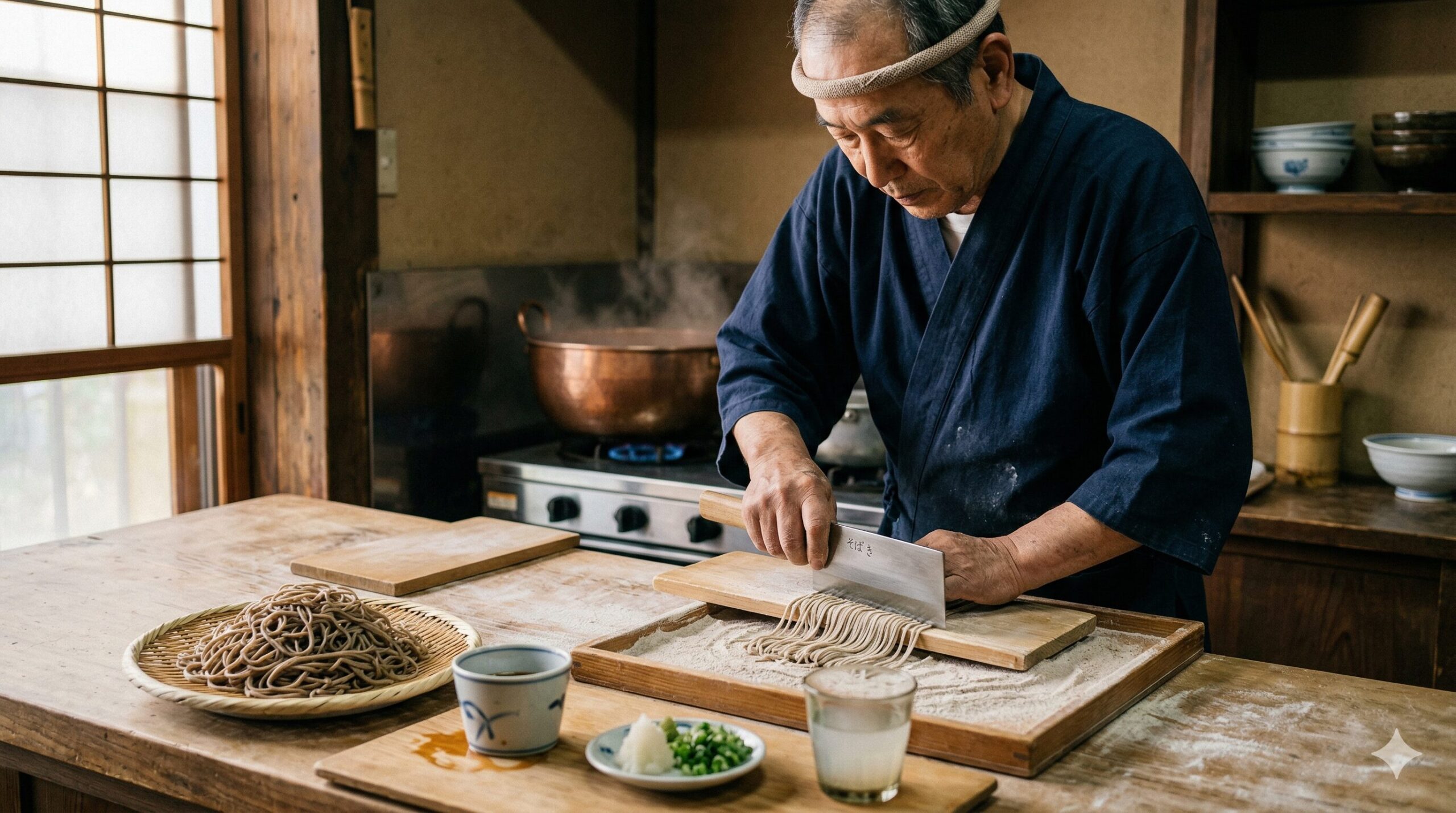
In the global search for healthy carbohydrates, 2026 has seen a significant move away from highly refined wheat and toward ancient “pseudo-cereals.” Leading this charge is Soba—Japanese noodles made from buckwheat flour.
Despite the name, buckwheat is not related to wheat at all; it is actually a seed related to rhubarb and sorrel. In an era where gluten sensitivity and metabolic health are top priorities, Soba has transitioned from a humble Japanese staple to a global “super-noodle.”
1. The Power of Rutin: A Heart-Health Hero
Buckwheat is one of the few plants that contains high levels of Rutin, a powerful bioflavonoid.
- Vascular Strength: Rutin is scientifically proven to strengthen capillary walls and improve circulation. In 2026, it is being studied for its role in preventing the “vascular aging” associated with modern sedentary lifestyles.
- Antioxidant Synergies: When consumed with Vitamin C (often found in the green onions or grated daikon served with soba), the absorption of Rutin is significantly enhanced, creating a protective shield for your cardiovascular system.
2. A Low-Glycemic Index Champion
One of the biggest nutritional challenges of 2026 is managing blood sugar spikes.
- Stable Energy: Soba has a significantly lower Glycemic Index (GI) than traditional white pasta or ramen. This means the energy is released slowly into your bloodstream, preventing the “insulin rollercoaster” that leads to brain fog and fat storage.
- The Soba-Yu Secret: In traditional shops, the water used to boil the noodles (Soba-yu) is served at the end of the meal. This cloudy liquid is rich in B-vitamins and minerals that leached out during cooking. Drinking it ensures you don’t lose a single milligram of the grain’s nutrition.
3. Complete Protein and High Fiber
For those on plant-based diets in 2026, Soba is a critical tool.
- Amino Acid Profile: Buckwheat is a “complete protein,” meaning it contains all nine essential amino acids that the body cannot produce on its own—a rarity in the plant world.
- Digestive Health: Soba is packed with resistant starch and soluble fiber, which act as prebiotics to feed the beneficial bacteria in your gut (the “inner garden” we discussed in Article 7).
4. How to Identify “Real” Soba in 2026
As Soba grows in popularity, the market is flooded with “mixed” noodles. To get the health benefits, you must look at the labels:
- Jyu-wari (100%): Made entirely of buckwheat. These are naturally gluten-free but have a delicate, brittle texture and a deep, nutty flavor.
- Ni-hachi (80/20): 80% buckwheat and 20% wheat. While not gluten-free, this is the traditional standard, offering a smoother texture while retaining most of the health benefits.
- The 2026 Warning: Avoid “Soba” that lists wheat flour as the first ingredient; these are essentially just brown-colored pasta.
How to Enjoy Soba Like a Local
- Zaru Soba (Cold): Served on a bamboo mat with a dipping sauce (Tsuyu). This is the best way to appreciate the nutty flavor and firm texture.
- Kake Soba (Hot): Perfect for cold months, served in a steaming dashi broth.
- The “Slurp”: In Japan, slurping soba is encouraged. It draws air over the noodles, which aerates the flavors and helps cool the hot noodles, preventing you from burning your palate.
Conclusion: Simple, Nutty, and Necessary
Soba is the ultimate 2026 food: it is ancient, sustainable, and perfectly tuned to the needs of the modern body. By swapping just one wheat-based meal a week for buckwheat soba, you are investing in your heart, your gut, and your long-term energy.