
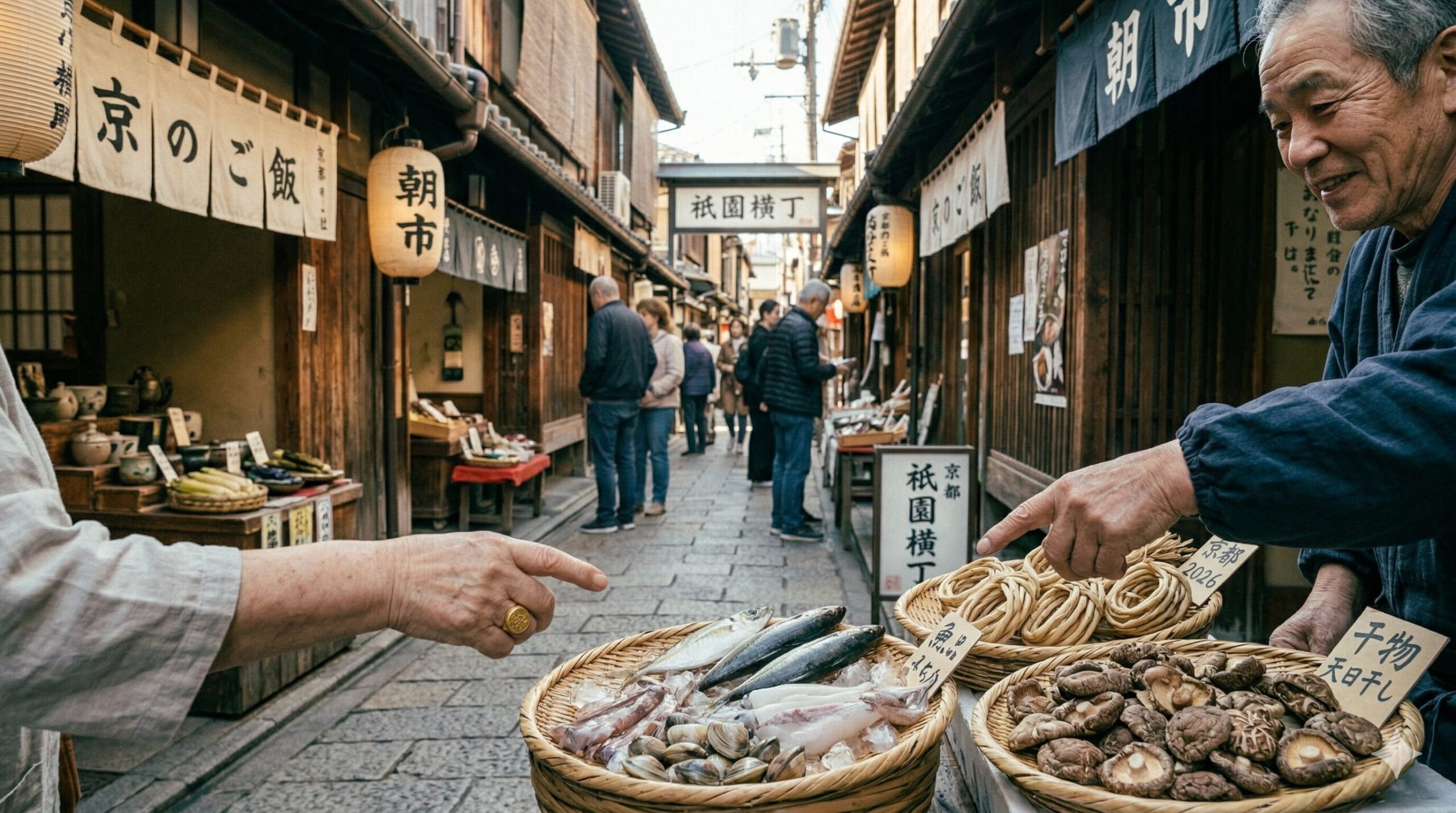
In a 2026 world where we spend increasing hours behind screens—developing games or managing digital empires—vitamin D deficiency has become a silent productivity killer. While supplements are common, the latest wellness movement in Japan has revived a simple, ancient “tech”: Sun-Drying (Hoshimono).
This isn’t just about preservation; it’s about using UV light to biologically transform your food into a nutrient-dense powerhouse.
1. The “D” Transformation: Shiitake & Daikon
The most revolutionary aspect of sun-drying is its effect on mushrooms and root vegetables.
- The Science: When Shiitake mushrooms are exposed to ultraviolet (UV) rays, their ergosterol content converts into Vitamin D2.
- The 2026 Edge: Eating just two sun-dried Shiitakes can provide a significant portion of your daily Vitamin D requirement, supporting bone health and immune function—critical for those of us in high-stress, indoor-focused careers.
2. Concentration of Umami and Mineral Density
As the sun evaporates water from vegetables like Daikon (Kiriboshi Daikon) or fruit, the natural sugars and amino acids concentrate.
- Flavor Profile: You get a deep, earthy umami that fresh vegetables simply can’t match.
- Mineral Bio-availability: The drying process breaks down certain plant fibers, making iron and calcium more accessible to your gut.
The 2026 “Aero-Plate”: Top Sun-Dried Staples
| Ingredient | The 2026 Benefit | Usage Hack |
| Hoshi-Shiitake | Peak Vitamin D + Immune support. | Soak in cold water overnight; use the soaking liquid as a “power base” for Miso soup. |
| Kiriboshi Daikon | High fiber for gut motility. | Rehydrate for 10 minutes and toss with Shio Koji for a crunchy probiotic salad. |
| Hoshigaki (Persimmon) | Natural, slow-release energy. | The ultimate 2026 “brain snack”—replaces processed energy bars with fiber-rich fructose. |
Why “Slow-Dry” is the Ultimate 2026 Bio-Hack
In a society obsessed with “instant,” the act of placing food in a bamboo tray (Zaru) to sit in the sun is a radical act of Slow Wellness.
- No Electricity: It’s the most sustainable way to “cook.”
- The Ritual: It connects the digital worker to the natural rhythm of the day and the weather, providing a much-needed mental “grounding” effect.