
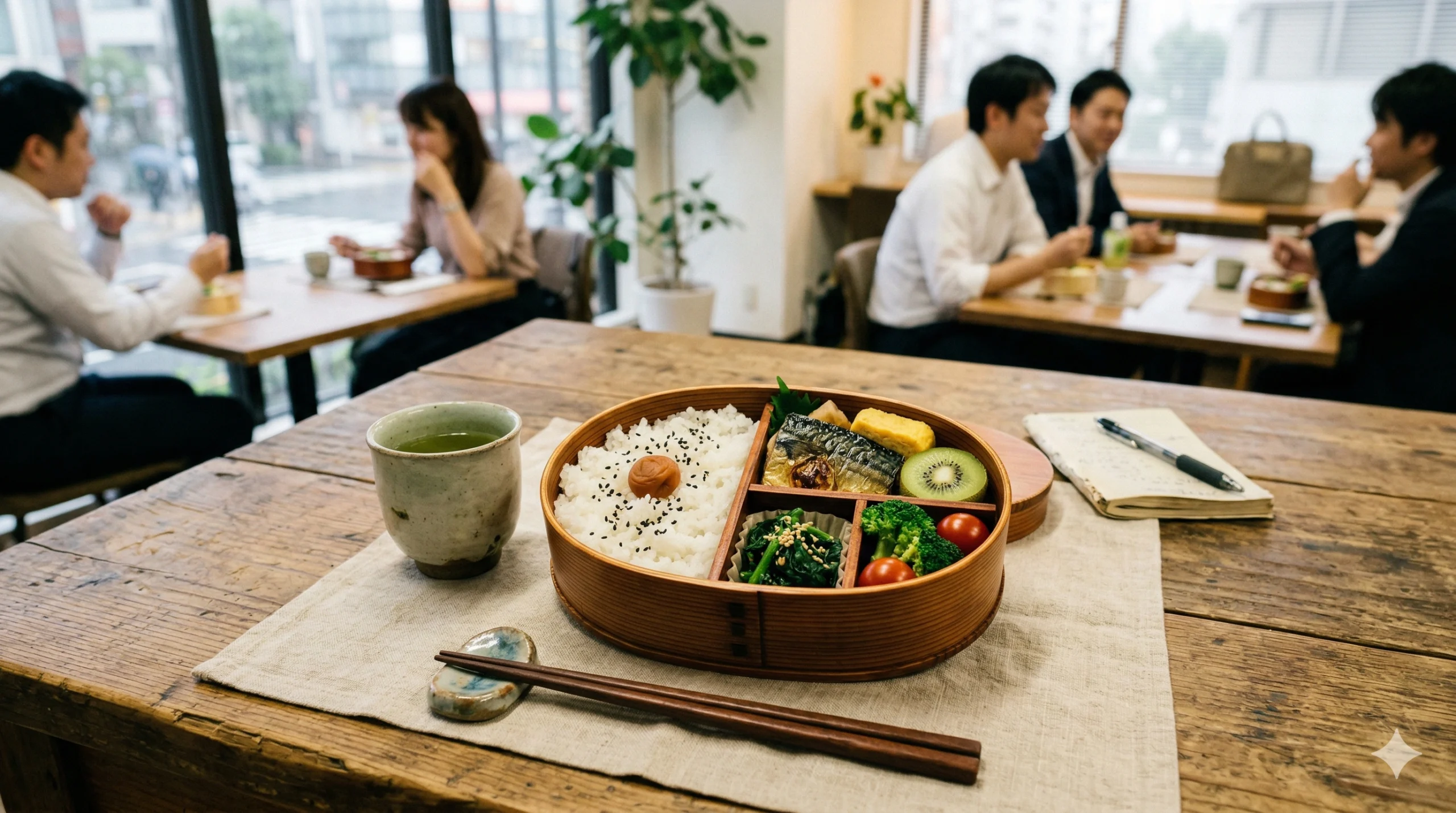
In the high-pressure work environments of 2026, the “desk-dining” habit—shoving a sandwich into your mouth while answering emails—is officially being recognized as a major contributor to burnout and digestive issues. As the global “Slow Living” movement gains steam, a centuries-old Japanese tradition is being adopted as the ultimate solution: The Bento.
A Bento box is more than just a container; it is a mathematical and psychological framework for healthy eating. By using fixed compartments, Bento forces us to confront our portion sizes and nutritional diversity before we even take the first bite.
The 4-3-2-1 Rule: Mathematical Nutrition
Traditional Japanese nutritionists often cite the “4-3-2-1” ratio as the golden rule for a perfectly balanced bento. This simple formula ensures you get exactly what your body needs for sustained mental energy:
- 4 Parts Carbohydrate: Usually steamed rice, barley, or sweet potato (sustained energy).
- 3 Parts Protein: Grilled fish, lean meat, or plant-based tofu (muscle repair and satiety).
- 2 Parts Vegetables: Steamed, pickled, or fresh greens (fiber and micronutrients).
- 1 Part Treat/Fruit: A small seasonal fruit or a piece of Wagashi (satisfies the sweet tooth).
The Science of the Container: Because the physical space in a bento box is limited, you cannot “over-portion” the carbohydrates without losing space for the protein. It is self-regulating nutrition.
Psychological Fullness: The “Eye-First” Effect
Research in 2026 into Sensory-Specific Satiety has proven that we eat with our eyes before our stomachs.
- Variety Prevents Boredom: When you see five or six different colors and textures in a bento box, your brain perceives the meal as “abundant.” This leads to feeling full faster than if you ate the same amount of calories from a single, large bowl of pasta.
- The “No-Touch” Rule: Bento compartments keep flavors separate. This prevents “flavor fatigue,” a common psychological state where everything starts to taste the same, leading you to eat more to find a “new” taste sensation.
2026 Workplace Wellness: Reclaiming the Break
Forward-thinking companies are now replacing vending machines with “Bento Prep Stations.”
- Intentionality: The act of packing a bento the night before is a form of “decision-making insurance.” It prevents the impulsive, high-calorie lunch choices we make when we are hungry and stressed.
- Mental Clarity: Taking the time to appreciate the arrangement of a bento acts as a “reset” for the prefrontal cortex. Taking a 20-minute mindful break to eat a structured meal has been shown to improve afternoon productivity by up to 25%.
How to Start Your Bento Journey
You don’t need a fancy lacquered box to start.
- Invest in a Compartmentalized Container: Look for stainless steel or BPA-free glass with 3-4 distinct sections.
- Think in Colors: Aim for at least three colors in every lunch (e.g., White rice, Green broccoli, Orange salmon).
- Embrace the “Gap Filler”: In Japan, small gaps in the box are filled with “gap fillers” like cherry tomatoes or rolled omelets (Tamagoyaki). This prevents the food from shifting and ensures the meal looks beautiful when you open it.
Conclusion: A Small Box for a Bigger Life
The Bento teaches us that discipline doesn’t have to be boring. It is an invitation to bring art, balance, and intentionality to the most mundane part of our day. In 2026, the most successful people aren’t the ones working through lunch—they are the ones opening a box of balance.